Fractional COO · New Jersey

Someone has to hold the whole thing.

A decision gets made in one room. Someone else has to carry it out in another. When it is something the firm has never done before — a first real technology or data investment, a new market, a first set of rules for AI and data — what gets built is too often not what was decided. I stay with the work the whole way — the decision, the operating model, the data, the partners, the build, and the system that runs afterwards. Engineer by training; eighteen years in bank COO offices. Based in West Windsor, New Jersey. I work in your office when the work needs it — anywhere in the state, New York and Philadelphia included — in French or English.

THE DECISION THE OPERATING MODEL THE DATA & AI THE PARTNERS THE BUILD THE SYSTEM THAT RUNS
Pillar 01

What Gets Built Is What You Decided

Work usually passes through several pairs of hands — a strategist, then a consultant, then a vendor, then an engineer. Something is lost at every handover, and what finally gets built is often not what was agreed. I stay with it from the decision through to the system that runs it: we decide together, I put the checks into the process, and I make sure what goes live matches what we said. Where the firm has no rules yet — for AI, for data and security, for how the partners decide — I write them first, so the build has something to be built to. One person, answerable for the result.

Pillar 02

People I Bring In When the Work Needs Them

Eighteen years of this work means I can take most of it myself. When a build needs more hands than one person has, I bring in people I have worked with and trust — Aileron on AI and cloud, building alongside me right now; a recruitment partner; security next. You contract them directly. I run the work and answer for the result. And I will tell you exactly what I do and don't get paid by anyone I put in front of you.

Pillar 03

You Find Out Early Whether It Will Work

I can do the technical work myself, so you learn cheaply whether an idea is real before you commit money to it. I can build a small working version in days instead of commissioning a study. It also means nobody can sell you something that won't work — I read the architecture and check the claims, rather than taking a vendor's word for it. I built KadoPool, a group-gifting payments platform, on my own in ninety days, and the Resilience Rulebook on this site. And when the work crosses the Atlantic, I speak both languages and know both sides.

Engagement Structure

Trust Is Earned in Stages

For owner- and partner-led firms of 30 to 200 people that have no COO and have outgrown how they run.

Nobody hands over how their company runs to someone they have just met. So we start small and cheap. It only grows if the first piece was worth paying for.

01

The Operating Survey

$5,000 fixed · 3 weeks

For the thing the firm is about to do for the first time. One question — what order, and what are we not seeing — answered properly, in writing. The answer can be “not yet.”

02

The Roadmap

From $25,000 · 4–8 weeks

The sequenced plan: decision gates, what has to be true at each one, the partner shortlist, the cost envelope. Proceed within 60 days and the Survey fee comes off this.

03

Run the Build

Monthly · 6–18 months

Partners do the specialist work. I make sure it adds up to what we agreed, and I answer for the result. You contract them directly. I stay in the room.

Entry Engagement

The Operating Survey

Most firms do not need another strategy. They need a straight answer before a first: the first real technology or data investment, the first new market, the first set of rules where there were none. Nobody inside has done it before, and it touches partners, money, systems and people at once — so no one person can hold it. The Survey answers the question that comes before all of it: what to do, in what order, and what you are not seeing.

Common questions
What kind of question is the Operating Survey for?
The one that comes before a first: a first real technology or data investment, a first new market, a first set of rules for AI, data or security. It is usually “what order, and what are we not seeing?” The written answer says what to do, in what sequence, and where the honest answer is not yet.
How do I know whether it is time to talk?
Take the five-minute check: ten questions I would ask on a first call. You get a short read on whether a conversation makes sense now, what I would look at first, and a draft of the question an Operating Survey would answer. Your answers stay in your browser unless you choose to send them.
Do you work on site in New Jersey?
Yes. I am based in West Windsor and work in clients’ offices across the state, New York and Philadelphia when the work needs it. Week two of an Operating Survey is usually on site.
What size of company do you work with?
Owner- or partner-led firms of roughly 30 to 200 people that have no COO. Below that the founder still holds everything; above it there is usually a COO or a CIO already.
What does a fractional COO cost?
Engagements start with the Operating Survey at a fixed $5,000 for three weeks. Larger work starts at $25,000 and is scoped after the Survey, never before.
Project Records

Selected Work

One project told in full, including how it was earned.

Also: a French crisis-management software company entering the US, and a US learning platform entering France.

Builder Fluency

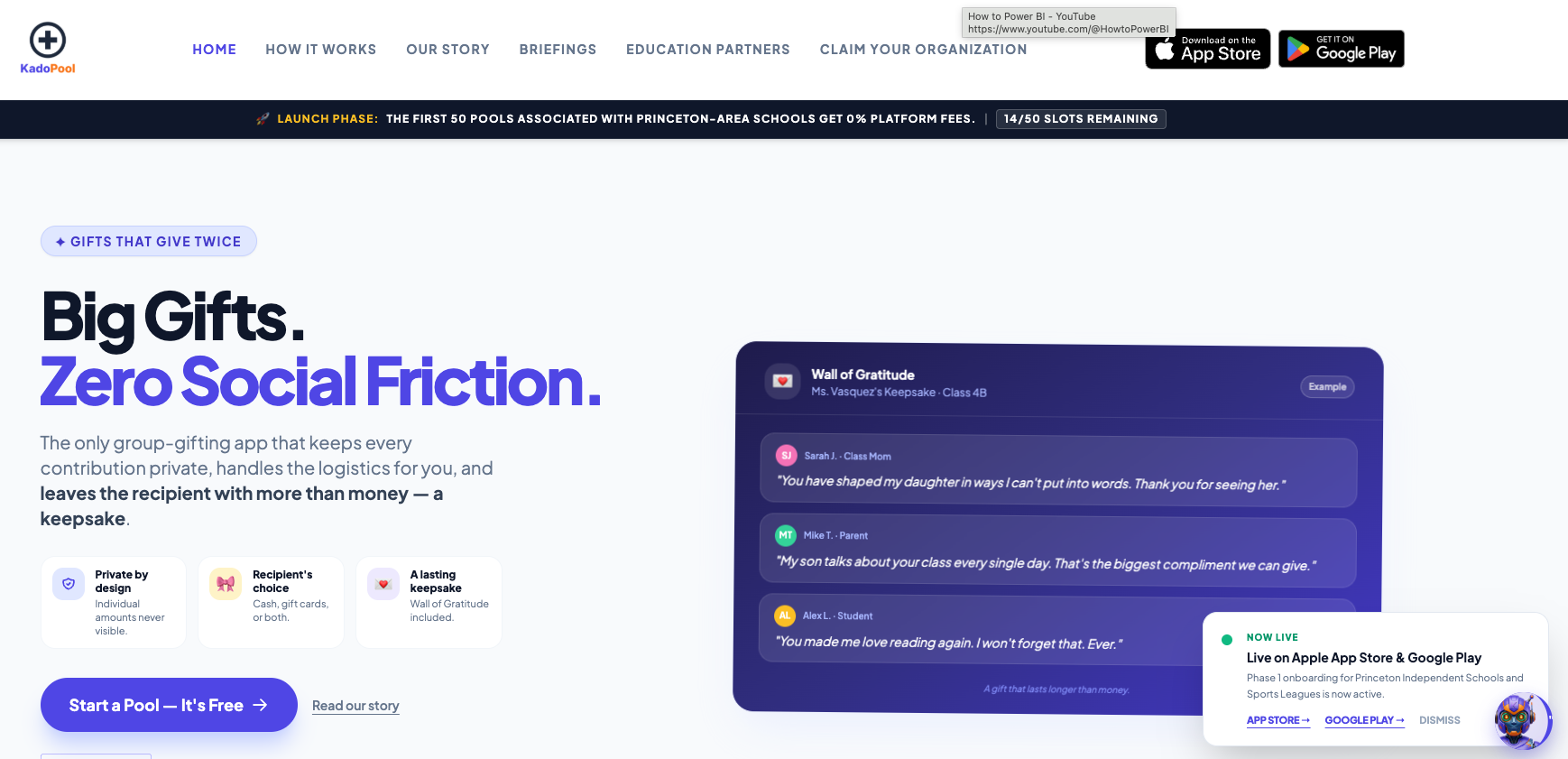
Built With AI in 90 Days: KadoPool

I built and run KadoPool — a group-gifting payments platform — on my own, start to finish, in three months, using AI tools throughout. Before I ask a client to do this, I did it myself.

90 days · build to live Solo founder AI-native stack
  • • Privacy Shield: Individual contribution amounts are 100% private.
  • • Give-Back Model: Donating 30% of the platform fee to schools and PTAs.
  • • Infrastructure: Automated social payments via Stripe and Zendit.
KadoPool Interface
Field Notes

Operating Intelligence

Short notes, built on real data, about the questions I work on with clients — how companies actually run, the rules they run under, and what building with AI is really like. The evidence first, then what it means if you have to run the place.

Operating
Note / 01
Cross-Border
Europe → US
Field Note

What actually breaks when a European company enters the US

Five failure modes I keep seeing, and the case where all five showed up at once. The US does not test your strategy so much as amplify the operating debt you already carry at home.

Read the note →
Note / 02
Operating Model
Series B–C · Fintech
Field Note

The hidden tax of operational debt

The debt that builds up in how a company actually runs shows up in no backlog. It surfaces at three moments: a regulator asking where a number came from, a market entry that copy-pastes the home model, and the day your best operator resigns.

Read the note →
Note / 03
Scaling · Cross-Border
EU → US
Field Note

The implicit knowledge trap

The people who just know how it works are your greatest asset until they become your biggest dependency. The IRS has priced that risk into company valuations since 1959.

Read the note →
Note / 04
Innovation
Regulated Firms
Field Note

The architect’s paradox

In finance, failure is not an option — which protects the licence and quietly kills the ability to build anything new. Separate the ledger from the sandbox and the choice stops being binary.

Read the note →
Note / 05
Building With AI
Fintech · 90 days · solo
Long Read

What building with AI actually costs

I built a payments platform on my own in ninety days, using AI throughout. The hype says writing code is now free. What nobody mentions is that checking the work got a lot more expensive — which is the part most AI plans get wrong.

Read the note →
Regulation & Resilience
Reference
Podcast · In partnership with Resilis

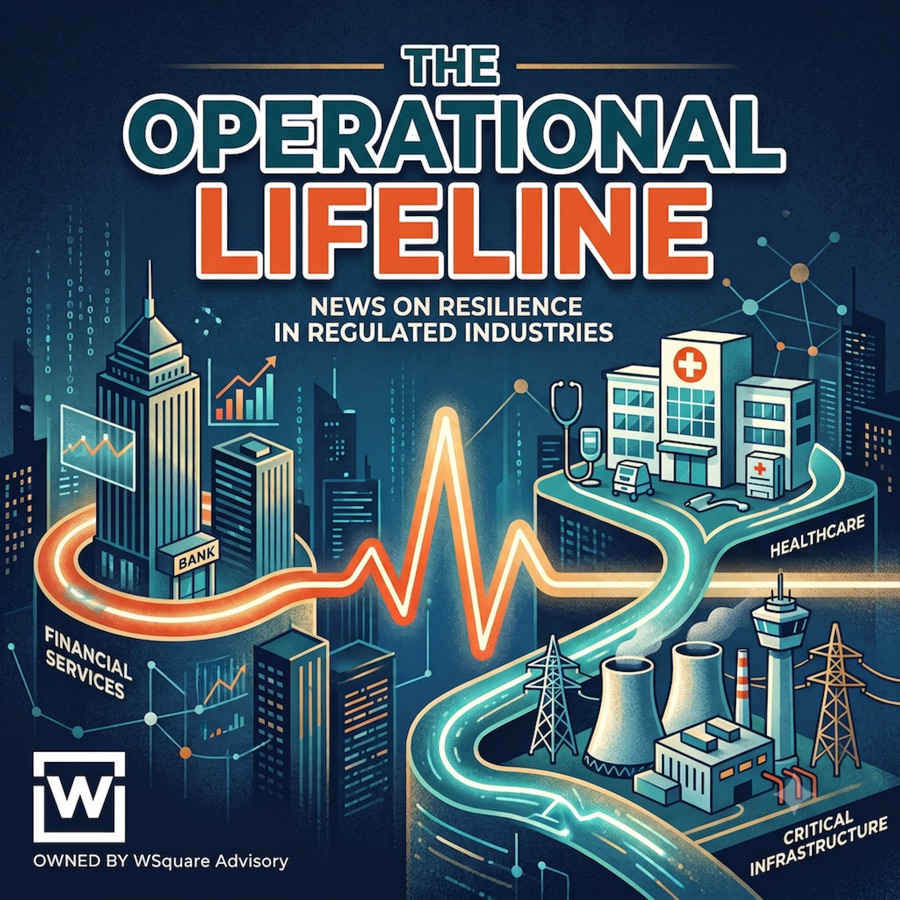
The Operational Lifeline

Curated news on operational resilience across Financial Services, Healthcare, and Critical Infrastructure — US-anchored, with a vital international lens on Canada, the UK, and the EU. Don't just react to disruption — anticipate it.

Listen to episodes → Get the newsletter
The Operational Lifeline podcast cover
Latest episode · Ep 3 · June 2026
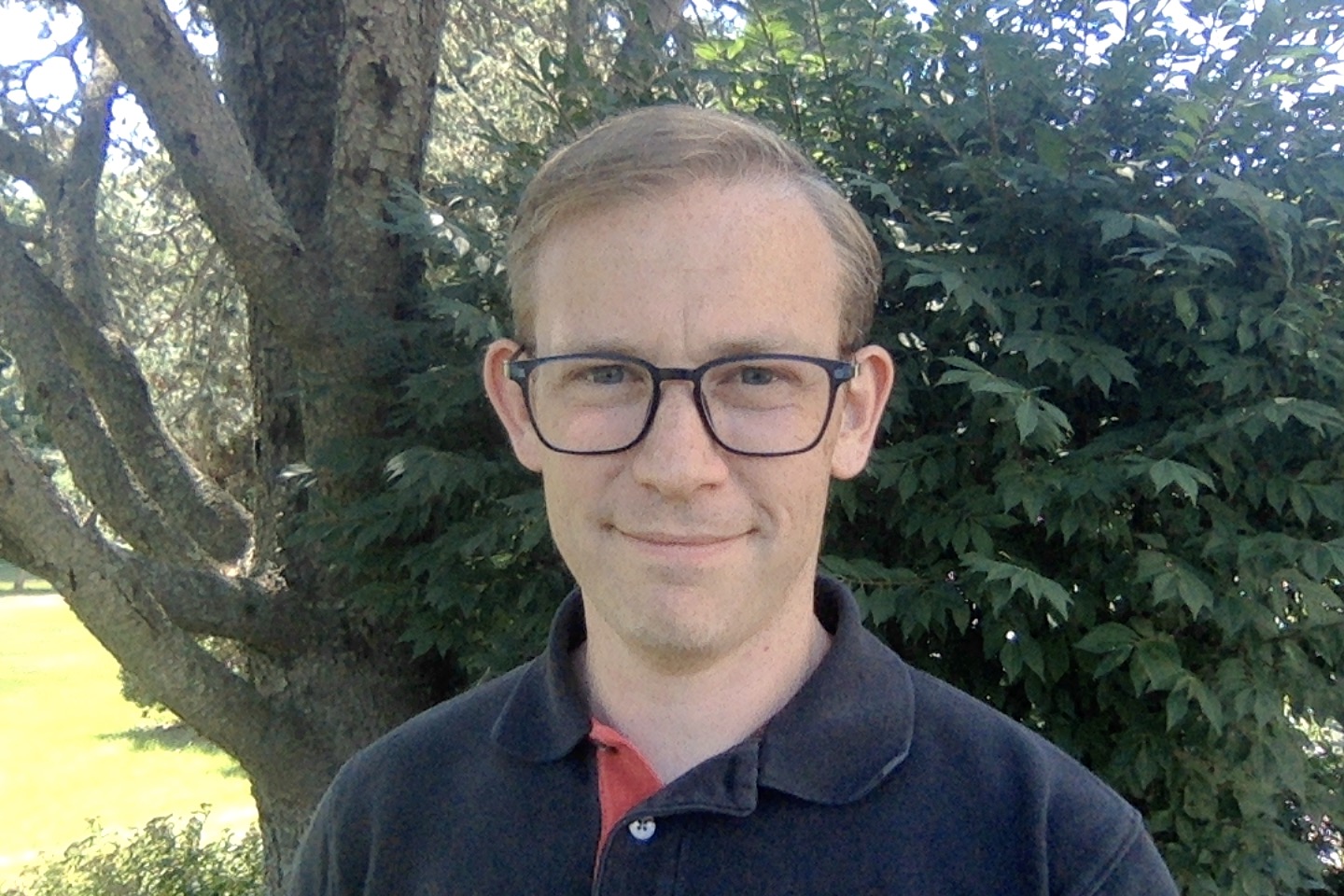
Olivier Lachaud
Background Notes

What carries over

Engineer by training. Eighteen years in the COO offices of global banks in New York — on the operations and infrastructure side, not selling financial products. The transformation work ran from large technology deployments to writing procedures and mapping workflows. It took me across functions, including HR, compliance, data, technology and budget. I supported the business on new product launches, combined the liquidity management practices of the businesses placed under a newly created holding company, and acted as a sounding board to executives. That range is why I work as a generalist.

What carries over is not banking. A process nobody owns, a decision nobody wrote down, a system the team works around: these look much the same in a school, a software company and a construction firm. Since founding WSquare Advisory in 2024 I have worked in all three — strategic planning on the board of an independent bilingual school; helping a French software company enter the US, and building a payments platform myself; and laying the groundwork for an international construction consultancy’s first large-scale data and AI investment.

Most firms do not need another advisor with a view. They need one person who will take a decision from the meeting room to the system that runs it, and answer for the result.

If you wonder, W Square = West Windsor, NJ.

WSquare Advisory Inc. · West Windsor, New Jersey · On site across NJ, NY and PA · Français / English
© 2026 WSquare Advisory Inc. All rights reserved.